
From Birth to Survival: The 6 Critical Challenges Lambs Face During Lambing Season
Practical Guidance for Farmers & Vets
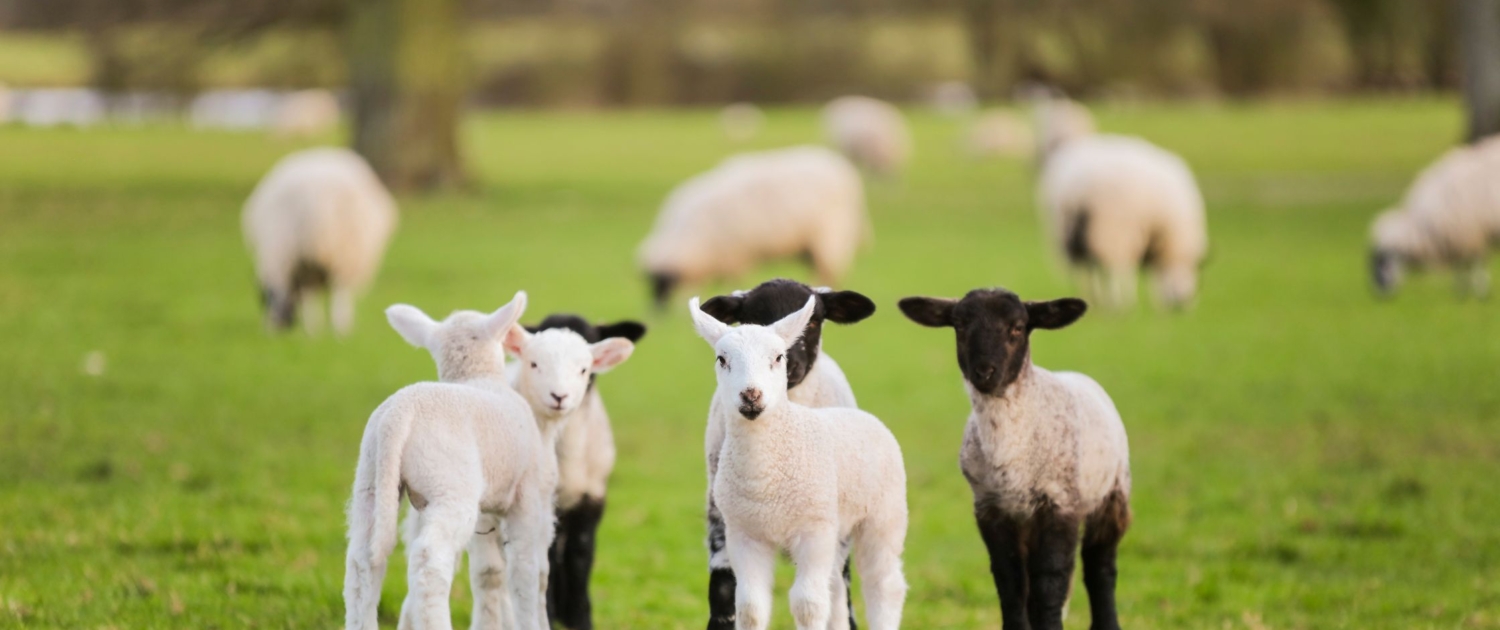
Lambing is the highest-risk period in a lamb’s life. Even on well-managed farms, the combined pressures of birth stress, infection risk, weather exposure and workload can lead to preventable losses. From an animal health perspective, lamb survival is largely determined by a small set of critical early-life factors: a safe birth, rapid colostrum intake, strong hygiene and fast intervention when problems arise.
Below are the main challenges we see affecting lamb outcomes during lambing season and the most effective measures to reduce risk.
Difficult Births (Dystocia): A High-Impact Risk Factor
Prolonged or difficult lambing increases the likelihood of lambs being born weak, oxygen-deprived or slow to stand and suck. These lambs are at significantly higher risk of hypothermia, starvation and infection.
What helps most
- Monitor lambing progress closely and intervene when required
- Use clean technique and correct presentation assessment
- Have clear criteria for calling a vet early – timely intervention prevents ewe and lamb losses
Colostrum Failure: The Leading Underlying Cause of Poor Survival
Failure of passive transfer (FPT) remains one of the most common reasons lambs succumb to infection and poor early growth.
Colostrum provides
- Immediate energy
- Antibodies (immunity)
- Protection against early digestive issues and infection
Best practice
- Ensure lambs receive adequate volume early. The first 4-6 hours are critical
- Where lambs are weak or slow, intervene with a teat/bottle or stomach tube as appropriate
- Pay attention to ewe nutrition pre-lambing, as this influences colostrum quality and supply
Hygiene and Infection: Risk Increases as Lambing Progresses
As lambing continues, infection pressure in sheds typically rises due to repeated use of pens, moist bedding and increasing stocking density. Common neonatal conditions include:
- Navel infections and joint ill
- Watery mouth
- Scours
- Secondary pneumonia in compromised lambs
Key prevention points
- Strict pen hygiene between ewes (clean, dry, disinfect, re-bed)
- Prompt and proper navel disinfection (and repeat where advised)
- Clean stomach tubes and lambing aids between animals
- Maintain good ventilation while avoiding drafts at lamb level
- Consider additional nutritional support
Hypothermia and Weather Stress: The Silent Threat
Cold, wet or windy conditions can overwhelm lambs quickly, especially those that are slow to dry off, slow to suck, or born after a difficult delivery.
Practical actions
- Prioritise warmth and colostrum for at-risk lambs
- Turn out only when lambs are strong and bonded
- Choose sheltered paddocks and avoid overly large turnout groups early
Mis-mothering and Bonding Breakdown
Bonding failure contributes significantly to starvation and exposure losses. Risk rises with:
- Large groups
- Poor weather
- Disturbed ewes
- Insufficient time in individual pens post-lambing
What helps
- Use individual pens strategically for bonding
- Reduce disturbance and ensure ewe-lamb pairs leave pens together
- Watch for mismatched pairs, wandering lambs or persistent bleating
Workload and Consistency: The Human Factor
Even strong systems can slip as lambing peaks. When pressure builds, hygiene and monitoring often suffer, which is when disease and losses can escalate.
Recommendations
- Standardise routines for colostrum, navel care, pen cleaning and monitoring
- Keep basic records of deaths and likely causes to identify avoidable patterns early
- Ensure enough trained support is available during peak lambing periods
Take-Home Message
From an animal health standpoint, the biggest threats to lamb survival are predictable and, in many cases, preventable. Good outcomes depend on:
- A timely, safe birth
- Rapid colostrum intake
- Clean, dry lambing environments
- Early identification of weak lambs
- Consistent management as lambing workload increases
When these fundamentals are protected, lamb survival improves markedly and the season becomes more efficient for both farmers and veterinary teams.
Written by Dr John Henderson, BVM&S MRCVS
For more information on ARKGUARD Lamb

